
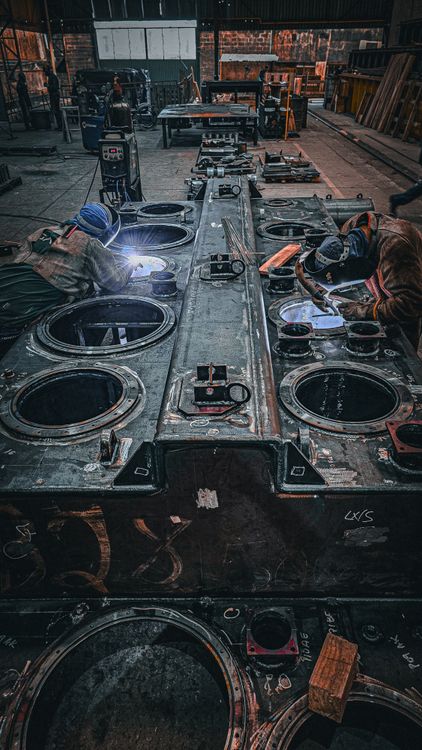
The Minneapolis–St. Paul region is often described through its corporate skyline, but a large share of the metro economy depends on people who build, repair, operate, inspect, ship and maintain physical systems. Manufacturing, construction, transportation, utilities and skilled trades create career paths for candidates who prefer hands-on work and measurable technical skills.
Recent 2026 labor data reinforce that point. Bureau of Labor Statistics metro data showed year-over-year growth in construction and manufacturing during the summer. Those broad categories include many different occupations: maintenance technicians, machine operators, assemblers, welders, press brake operators, HVAC technicians, mechanics, electricians, drivers, material handlers, inspectors and production workers. Demand can vary from one company to another, but workers with dependable attendance and proven equipment skills remain valuable.
For skilled-trades candidates, specificity matters. “Mechanical experience” is less useful than explaining whether you worked on diesel engines, automotive systems, HVAC-R equipment, pumps, hydraulics, conveyors, boilers, electrical controls or production machinery. List licenses and certifications clearly. CDL class and endorsements, EPA or CFC credentials, boiler licenses, ASE certifications, forklift experience, welding processes and blueprint-reading ability can all help a recruiter match you more accurately.
Manufacturing candidates should describe the environment they know. Have you worked in high-volume production, custom fabrication, food production, wood products, metal forming or warehouse distribution? Can you use calipers, micrometers, gauges or RF scanners? Have you operated forklifts, pallet jacks, press brakes, CNC equipment or automated lines? Can you document quality checks or follow lockout/tagout procedures? Those details can separate you from an applicant who only lists “factory work.”
Schedule flexibility can also change your options. Some employers pay shift differentials for evenings or nights. Others use four-day schedules, rotating shifts, seasonal overtime or weekend coverage. Before applying, decide what you can realistically sustain. Saying “any shift” when you cannot work nights wastes everyone’s time. A precise availability statement helps recruiters focus on jobs you can actually accept.
The broader Minneapolis metro gives tradespeople another advantage: geographic choice. Industrial employers are spread across suburbs and transportation corridors, so a candidate who can commute beyond downtown may see more opportunities. At the same time, a longer commute can become difficult during winter. Evaluate travel time at the actual shift start and end, not just at midday.
A strong 2026 trades resume should be short, concrete and skill-heavy. Put certifications near the top, name the equipment you can operate, describe the systems you have repaired, and quantify experience where possible. If you are moving to Minneapolis, include your relocation date. If you want direct hire rather than temporary work, tell the recruiter. The clearer your technical profile, the faster an employer can see the value you bring.
Candidates can also improve their chances by documenting safety and reliability. Be ready to discuss lockout/tagout, PPE, preventive maintenance, quality checks, production goals, attendance and the kinds of work environments you know. If you have photos of projects, a portfolio, training records or an updated list of tools and machines, organize them before interviewing. Employers hiring for hands-on roles often need confidence that a new worker can contribute safely and consistently from the start.
Ready to look at opportunities?
Browse openings currently promoted by Express Employment Professionals of Brainerd / Grand Rapids or tell our team what type of job you want.